A A history of power, empires, and leaders that has been repeating itself for over 2,000 years
The eternal conflict between East and West that continues to shape the world.
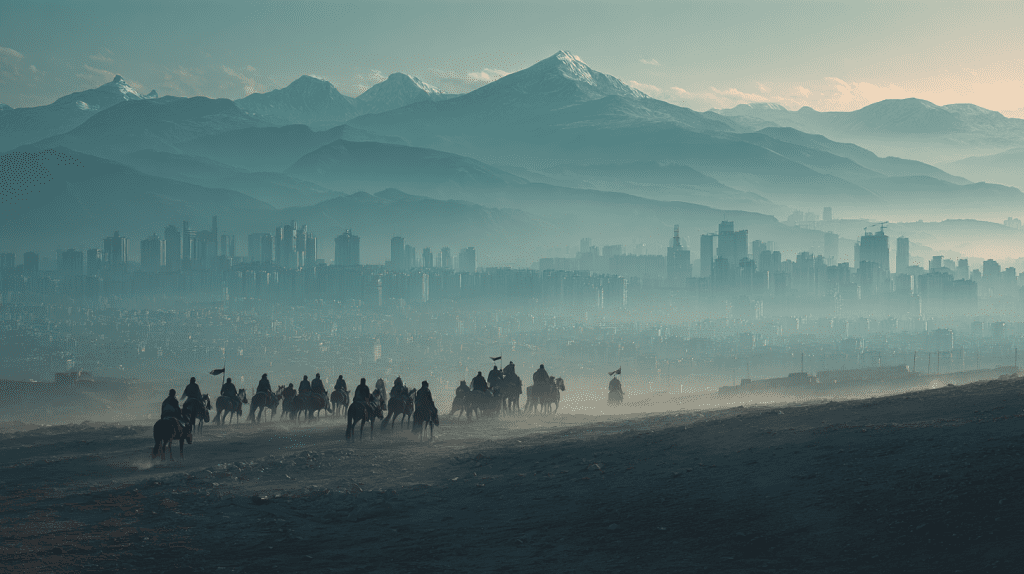
The current war in Iran has once again placed the conflict between East and West at the center of global debate. News reports speak of escalating tensions, clashing political rhetoric, and leaders like Ali Khamenei and Donald Trump. Everything seems new, urgent, and characteristic of our time.
But it isn't.
History, once again, has already witnessed it.
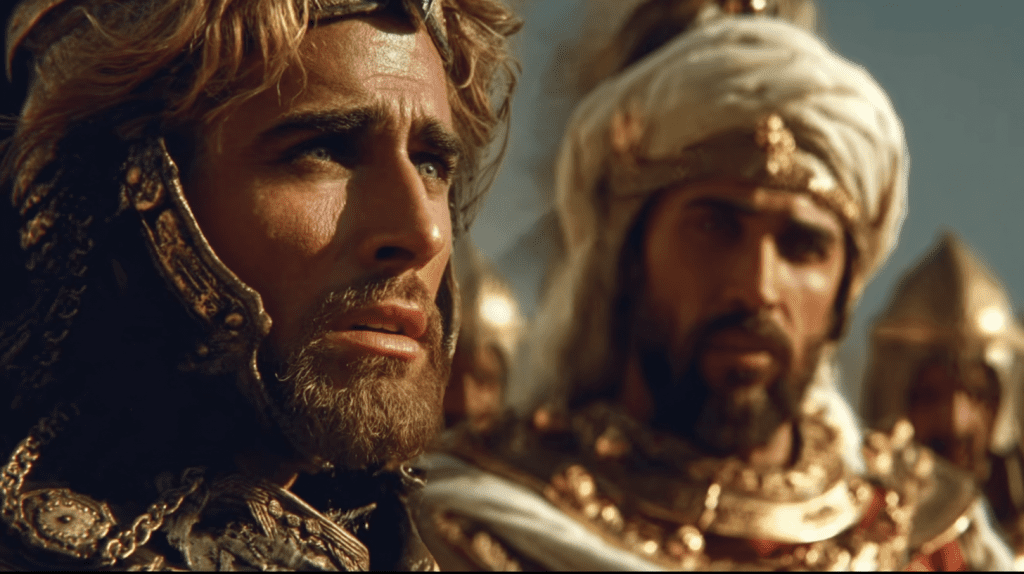
More than two thousand years ago, in a world without technology, modern diplomacy, or mass media, two figures clashed in a struggle that would change the course of humanity: Alexander the Great and Darius III. What transpired between them was not merely a war. It was the first major structured confrontation between two models of power, two worldviews, and two ways of understanding authority.
And, in many ways, that conflict is still alive.
Chapter I: The Empire That Ruled Everything
“The king is the living law.” — Persian tradition about the Great King
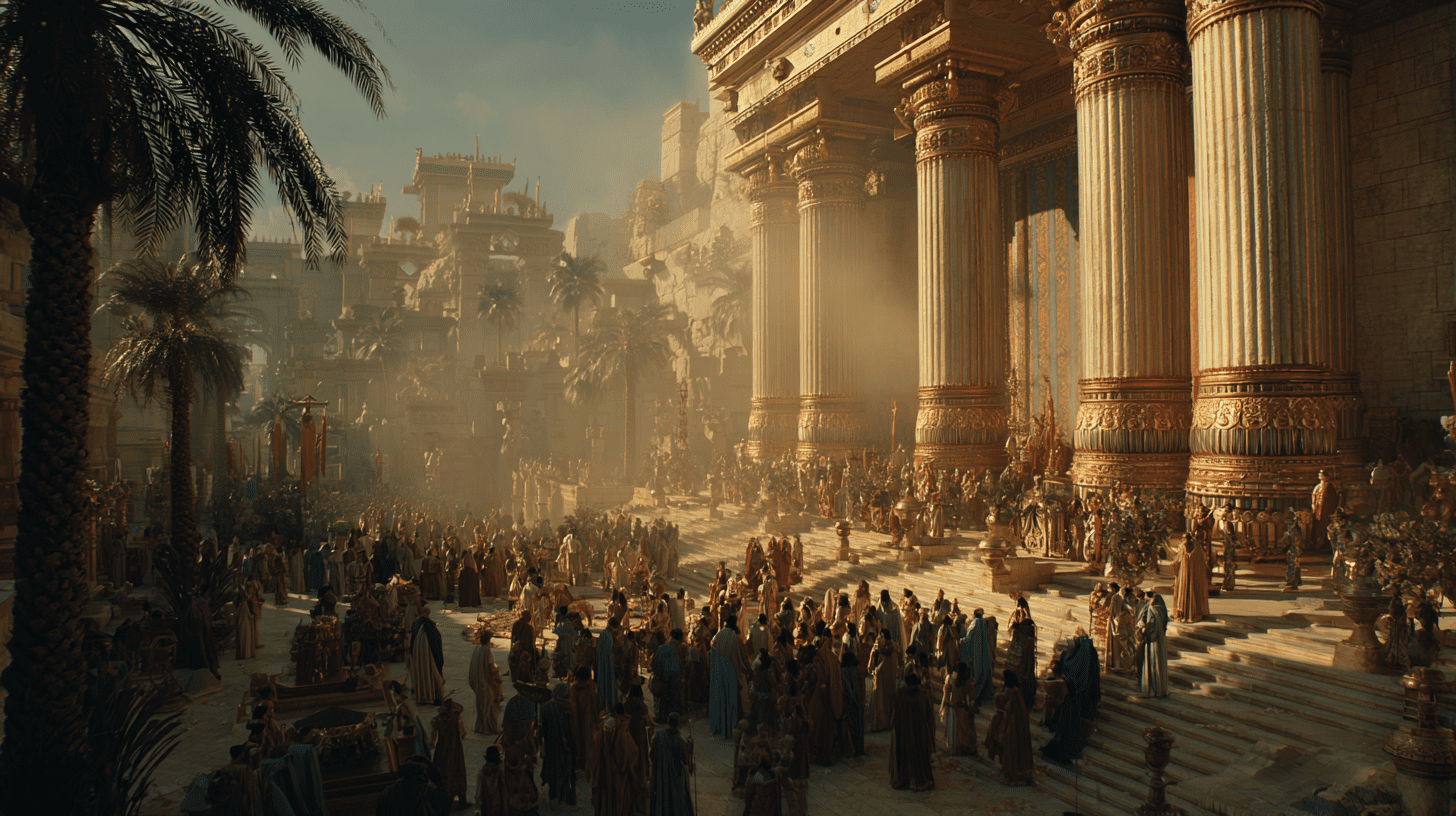
Before Alexander's arrival, the known world was already organized under a dominant power structure. The Persian Empire was not simply a vast territory. It was an extraordinarily sophisticated political, economic, and administrative machine.
From the banks of the Indus to the shores of the Mediterranean, encompassing Mesopotamia and Egypt, Persia had built a network of control based on efficiency. The satraps, governors of each region, ensured tax collection and local stability. Imperial roads allowed for the rapid movement of armies and messages. Cities flourished under a climate of relative cultural tolerance.
It was an intelligent system. It allowed for diversity, but it demanded submission.
At the center of it all was the Great King, an almost divine figure before whom everyone had to bow. He was not just a ruler. He was the symbol of the world's order.
For generations, no one could seriously challenge that system.
However, in the far west, the Greeks represented something different. Independent, proud city-states, incapable of permanent submission. Their resistance against Persia in previous conflicts had not destroyed the empire, but it had shown that it was not invulnerable.
That precedent would be key.
Because from that fragmented world, Macedonia would emerge. And from Macedonia, a young man who would not only question the existing balance of power, but would attempt to destroy it completely.
Chapter II: Two Kings, Two Destinies
“Nothing is impossible for those who try.” — Alexander the Great
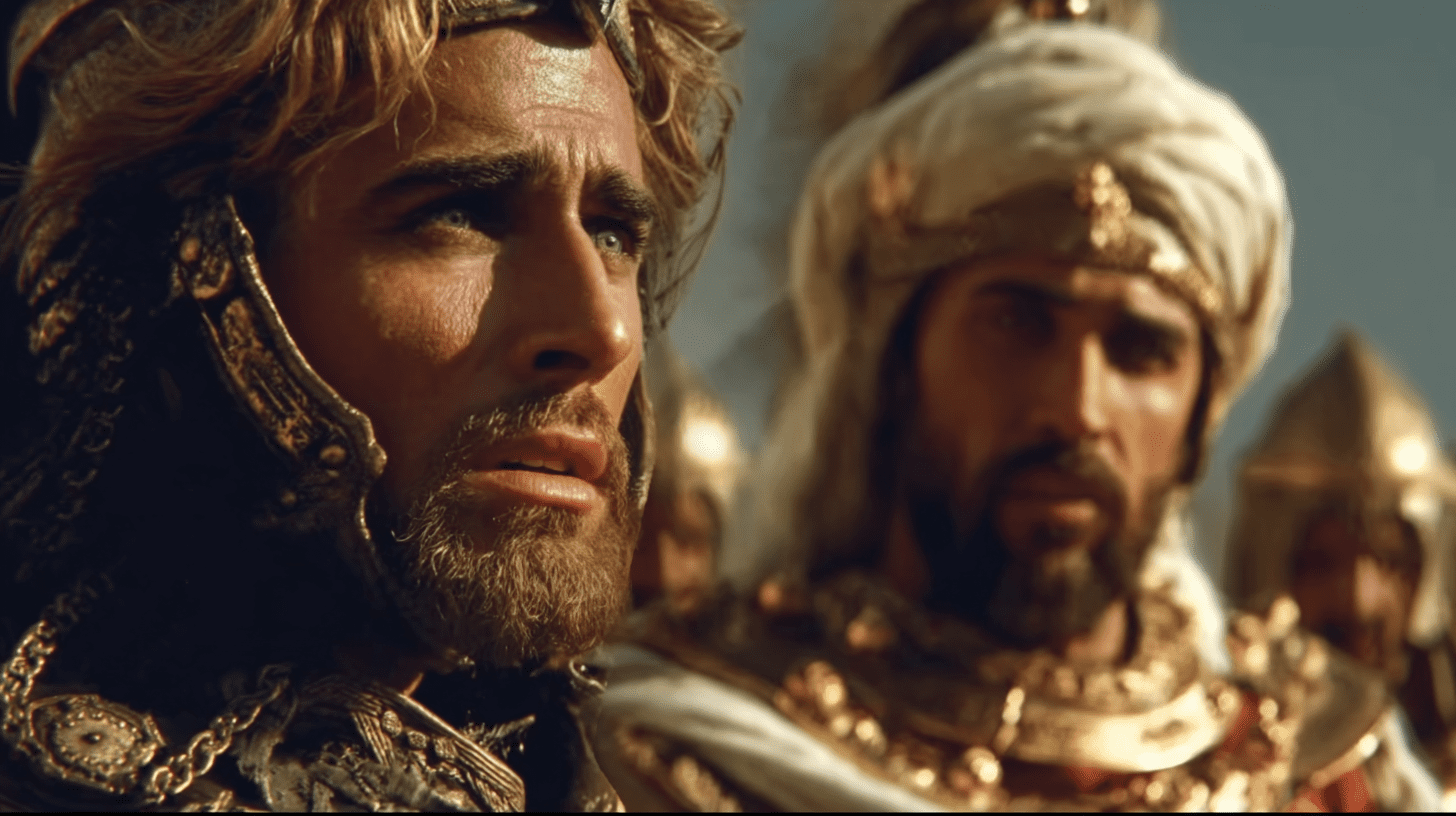
Alexander and Darius were not simply enemies. They were products of different systems, but shaped by similar experiences.
Both grew up surrounded by palace intrigues, where loyalty was fragile and violence a common tool. Both learned from a young age that power was not inherited without conflict.
Alexander, son of Philip II, had been educated by Aristotle, but his training was not solely intellectual. From a young age, he participated in military campaigns, learning on the ground. His character combined strategic intelligence with a boldness that bordered on recklessness. He did not conceive of war as a distant calculation, but as a direct experience.
Darío, for his part, came to power amidst internal conspiracies. He was not in the main line of succession, but his ability and royal blood allowed him to rise. His personal history was marked by political violence. The episode in which he forces his enemy to drink the poison intended for him is not merely anecdotal. It reflects an essential trait of his character: unwavering resolve in extreme situations.
They both shared a vision of power deeply rooted in their identity. They didn't simply govern territories. They embodied an order.
And when two figures with that conception of power come into conflict, negotiation becomes secondary.
Chapter III: The invasion that no one took seriously
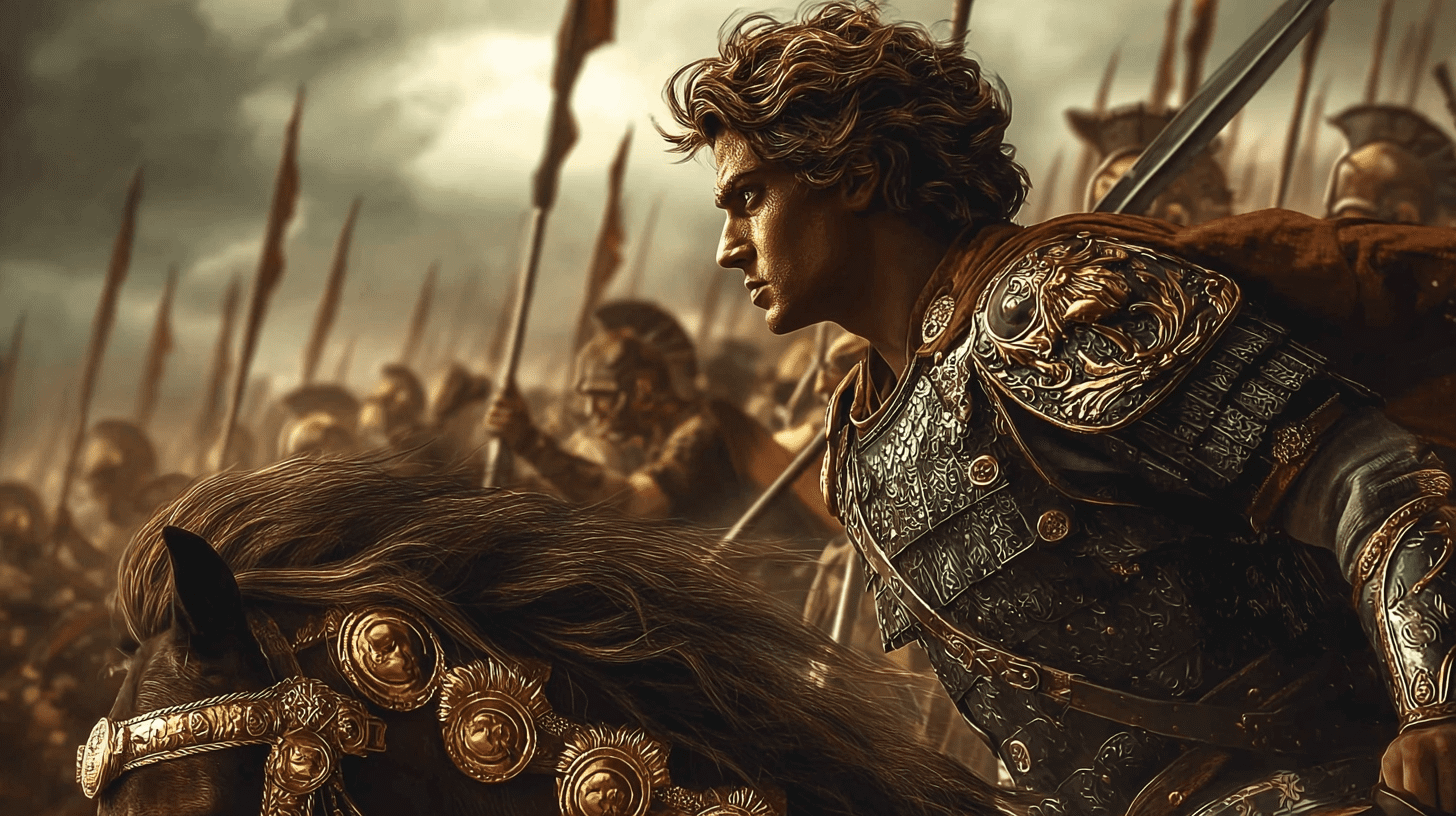
“I prefer a short, glorious life to a long one in darkness.” — Alexander the Great
In 334 BC, Alexander made a decision that, from any rational analysis, seemed absurd. He crossed the Hellespont with an army of some forty thousand men to confront the most powerful empire in the world.
From the Persian perspective, this did not represent a serious threat. Darius had virtually unlimited resources compared to Macedonia. He could assemble much larger armies, supply them easily, and fight on multiple fronts.
But the Persian advantage masked a weakness.
The imperial structure, although efficient, was slow. It relied on extensive chains of command, centralized decision-making, and a certain strategic rigidity.
Alejandro, on the other hand, operated with speed, flexibility, and a constant capacity for adaptation.
The first clash at the Granicus River highlighted this difference. Alexander decided to attack under unfavorable conditions, crossing the river under enemy fire. It was an extremely risky maneuver. He lost his horse, came close to death, and his army suffered the initial impact.
However, the psychological effect was devastating.
The Persian army did not expect such a direct, such an aggressive action. The breaking of their lines was not solely due to force, but also to confusion.
For the first time, the myth of Persian invincibility began to crack.
Chapter IV: Issus, the moment when the kings looked each other in the eyes
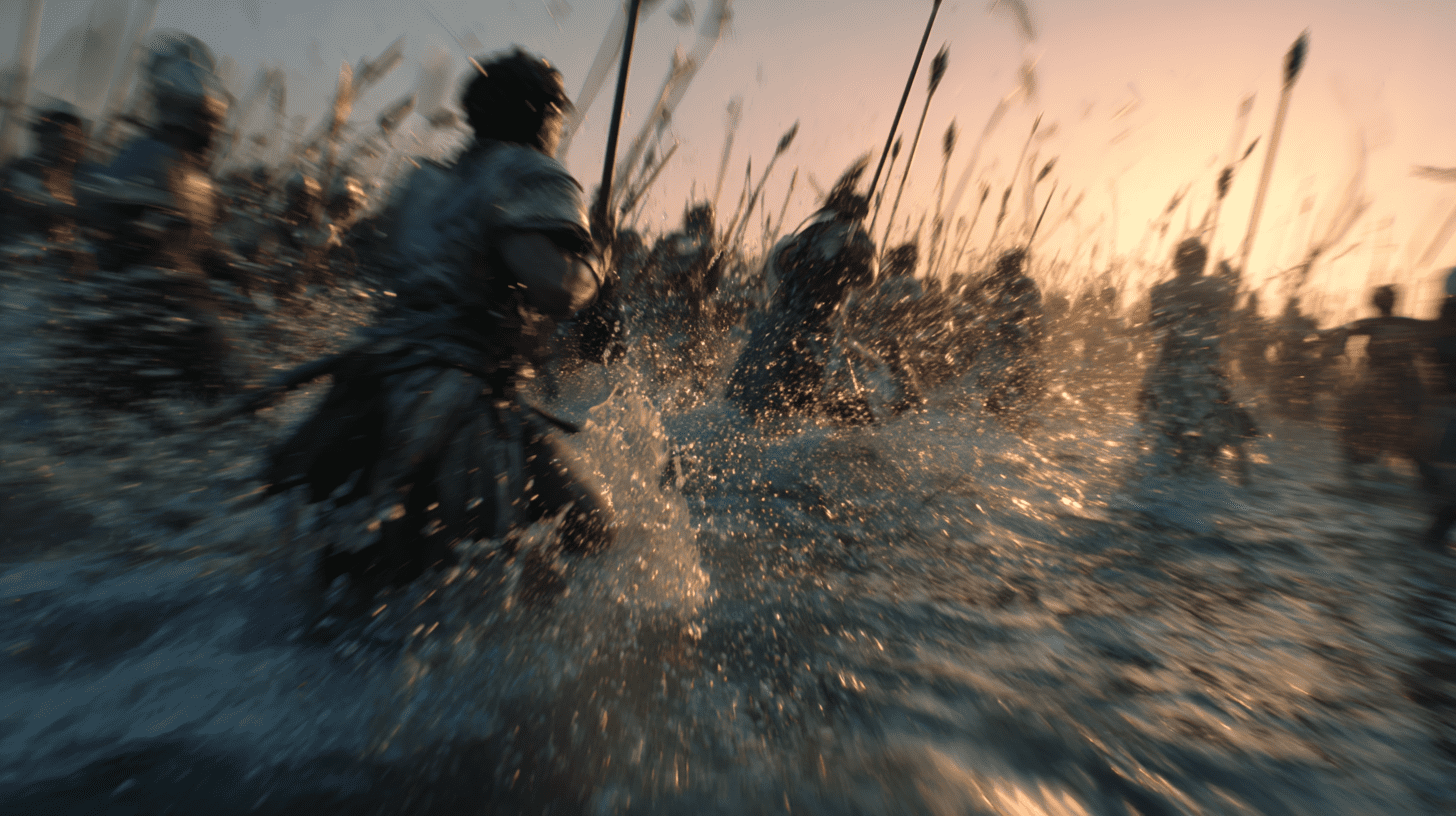
“When a king flees, his army has already been defeated.” — Macedonian military tradition
The confrontation at Issus was different. It wasn't just a battle, but a moment of historical concentration.
Two large armies met in a confined space. Geography negated some of the Persian numerical superiority. The battle became a direct, chaotic, and brutal confrontation.
Alexander understood that the key was not in destroying the enemy army, but in attacking its symbolic center.
Dario.
At the decisive moment, he led his cavalry into the heart of the Persian lines. The objective was not strategic in the traditional sense. It was psychological.
Eliminating or forcing the king to flee would destabilize the entire system.
Sources describe a fierce battle, with bodies piling up, and a level of violence difficult to imagine. Amidst this chaos, both leaders were close enough to directly influence the outcome.
Darío's escape marked the turning point.
It wasn't just a retreat. It was the loss of the image of control.
And in an empire based on the authority of the Great King, that image was fundamental.
Chapter V: The War That Became a Message
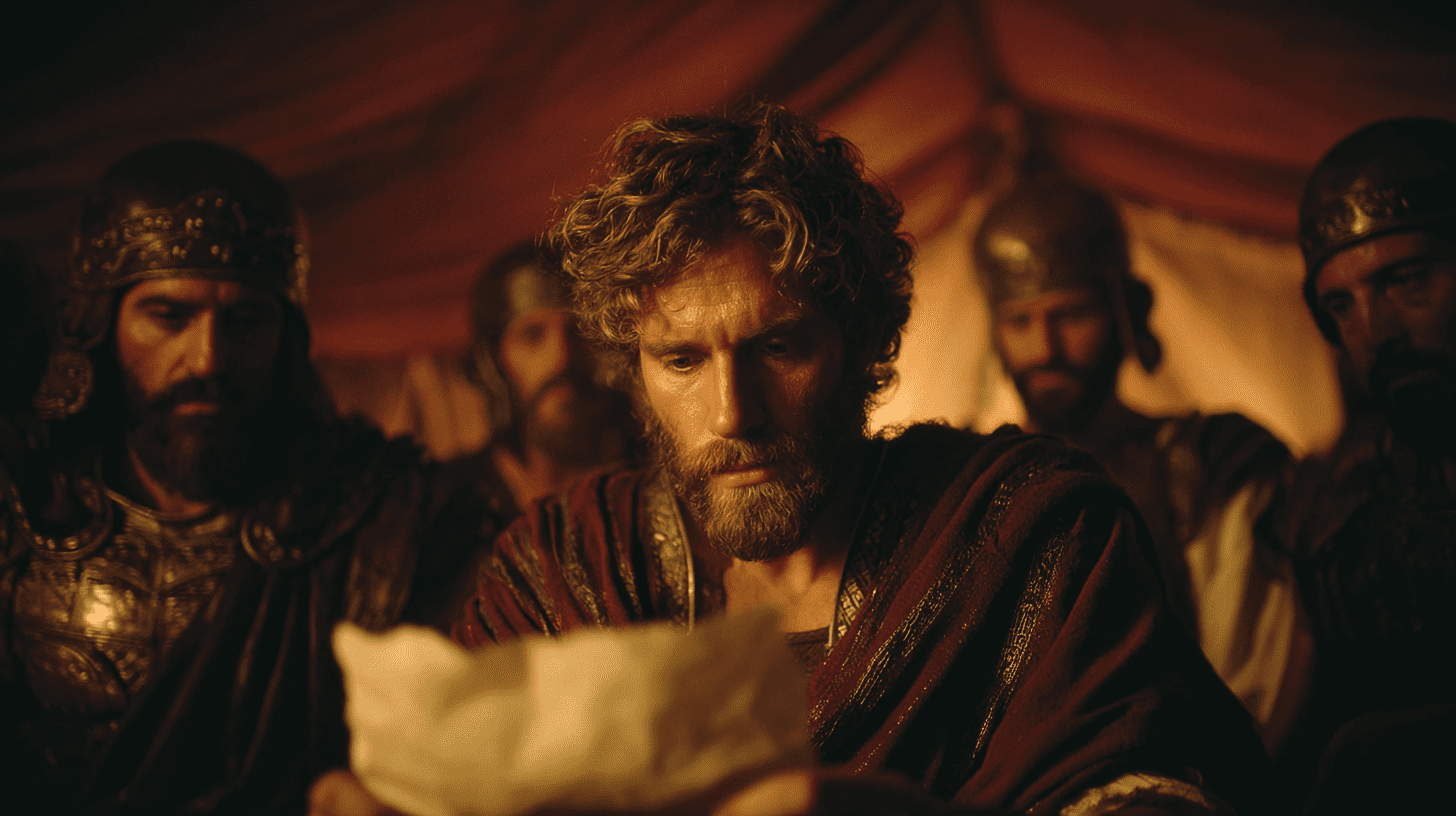
“Do not write to me as an equal. Everything you have is already mine.” — Alexander the Great
After Issus, the conflict entered a new phase. Darius, still with significant resources, opted for negotiation. His proposals were reasonable from a pragmatic perspective. He offered territories, wealth, and a solution that prevented further destruction.
Alejandro rejected that option.
His response was not diplomatic, but ideological. He positioned himself not as a rival, but as the legitimate heir to power.
This change is crucial to understanding the war.
It ceased to be a territorial dispute and became a confrontation over legitimacy. Over who had the right to govern.
This type of conflict is deeper and more difficult to resolve. It does not allow for intermediate solutions.
Chapter VI: Gaugamela, where an empire fell
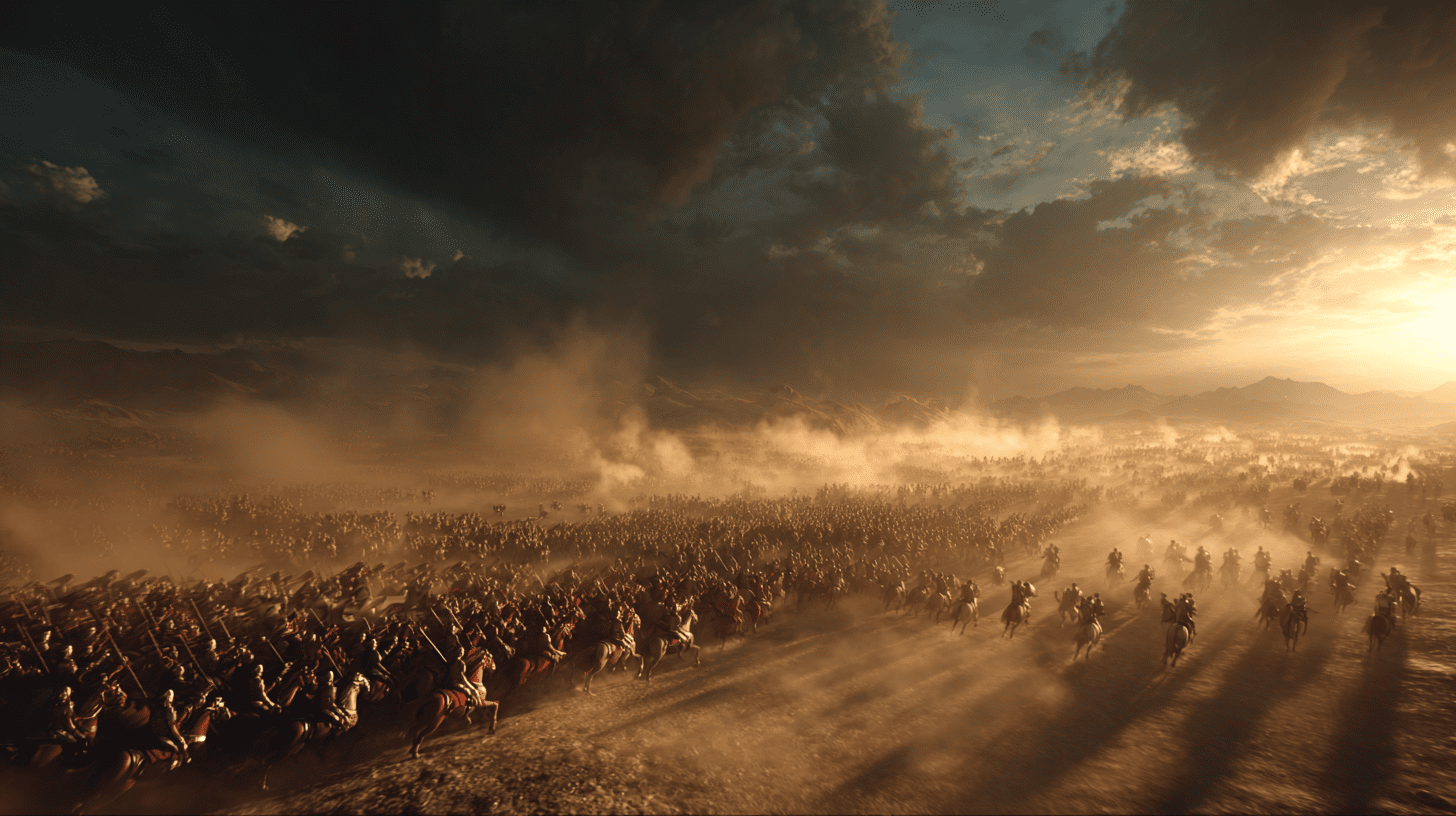
“Alexander does not steal victories.” — Alexander the Great
Gaugamela was the climax. Darius carefully chose the terrain. He prepared the field to maximize his advantage. He assembled a huge army, possibly the largest of the time.
Everything indicated that logic would prevail.
Alejandro, however, defied that logic once again. He analyzed the terrain, identified weaknesses, and designed a strategy based on mobility and precision.
The diagonal advance, the opening of the lines to neutralize the chariots, the ability to react to each Persian movement, all responded to a flexible conception of combat.
The decisive moment came when he detected a gap.
It wasn't a grand opening. It was an instant.
But in war, moments are decisive.
Alexander concentrated his cavalry and attacked directly towards Darius. Once again, the target was not the army, but the symbol.
Darius's flight sealed the fate of the empire.
Chapter VII: The End of a King and the Respect of the Enemy
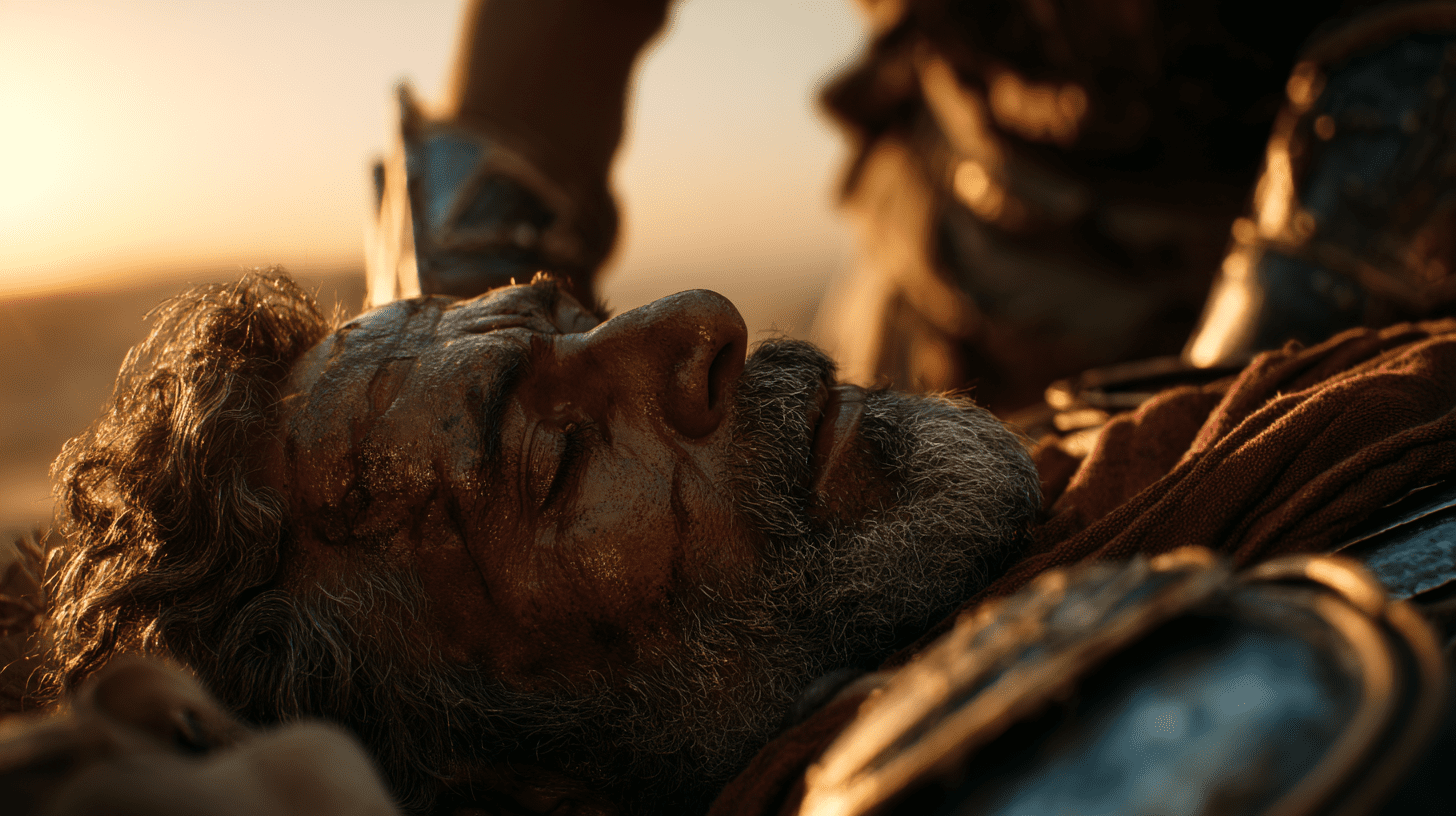
“Now, at least, I no longer die alone.” — Darius III
Darius's end was not that of a king defeated in battle, but that of a ruler betrayed by his own entourage.
His death, far from the battlefield, reflects the fragility of power when it loses its base of legitimacy.
The final encounter between Alejandro and Darío's body is significant. There was no public humiliation or contempt. There was recognition.
In a context of total war, that gesture reveals a different dimension of the conflict: a shared understanding of what power meant.
Epilogue: From Persia to Iran, from Alexander to the West
The current war in Iran is not a literal repetition of what happened more than two thousand years ago. There are no Macedonian phalanxes or Persian chariots traversing the plains of Mesopotamia. Today we are talking about missiles, economic sanctions, diplomatic tensions, and global discourse.
And yet, when viewed from a certain historical distance, it is difficult to ignore a disturbing feeling: The patterns repeat themselves.
Not in the details, but in the deep structure of the conflict.
What pitted Alexander the Great against Darius III was not just a war over territory. It was a confrontation between two ways of understanding power, authority, and the order of the world.
On the one hand, Alexander represented an emerging model. He wasn't democratic in the modern sense, but he did introduce elements that we now associate with what we call the West. His empire wasn't based solely on imposition, but also on integration. He founded cities, promoted cultural mixing, adopted local customs, and allowed different identities to coexist under the same political structure.
His project was not simply to conquer. It was to build a new, hybrid world where Greeks and Persians could be part of the same reality. In that sense, his figure anticipates some values that we now associate with the West: cultural expansion, relative openness, the idea of an order that is legitimized not only by force, but also by its capacity to integrate.
In contrast, Darío embodied a much more rigid system.
The Persian Empire was efficient, sophisticated, and surprisingly tolerant in some respects, but its core power was deeply hierarchical and centralized, dominated by local governors or satraps. Everything revolved around the figure of the Great King, whose authority was almost sacred. Obedience was non-negotiable. The system functioned as long as that authority remained intact.
When that image cracked, the whole building began to wobble.
This is where the analogy with the present becomes especially revealing.
Contemporary Iran, under the leadership of the Khamenei family, maintains a power structure where authority is concentrated in a central figure who combines political and religious elements. The system is legitimized not only by representative mechanisms but also by an ideological narrative that reinforces its position.
Meanwhile, the Western bloc, with all its contradictions, presents itself as a model based on values such as openness, global cultural influence, adaptability, and alliance building.
It is not a matter of claiming that Alexander was "the West" or that Darius was "Iran" in a literal sense. That would be an oversimplification.
But it is possible to recognize a continuity in the logics of power.
On the one hand, systems that tend to centralize authority, reinforce hierarchical structures, and rely on a strong and cohesive narrative of legitimacy.
On the other hand, there are models that, although they also exert power, do so through networks, cultural influence, integration, and the expansion of ideas.
The clash between these two ways of understanding the world is not new.
It has manifested itself in different forms throughout history, adapting to each context, but maintaining a recognizable structure.
Therefore, when we talk today about the Iran war, tensions with the West, or geopolitical conflicts in the Middle East, we are not witnessing an isolated phenomenon.
We are seeing a new expression of an old tension.
A tension that did not begin in the 21st century.
Not even in the 20th century.
Not even in the Middle Ages.
It began long before, when two kings looked each other in the eye on a battlefield and understood that they could not coexist without redefining the world.
History does not repeat itself exactly.
But it leaves echoes.
And if we learn to listen to them, the present ceases to be incomprehensible and becomes something much clearer, deeper… and, in a way, inevitable.
Understanding the present through the past
In Histary, history is not presented as an accumulation of data, but as a tool for interpreting the world.
Cities, spaces, and historical narratives are not static elements. They are superimposed layers of meaning.
When they are understood, the present ceases to be a succession of disconnected events. Histary tours are designed to transform the way you experience history.
These are not traditional guided tours. They are immersive experiences that combine narrative, technology, and historical context.
Through narrative audio and augmented reality tools, it is possible to visualize what spaces were like in the past, understand what happened in them, and connect those events with the present.
The goal is not just to see places, but to understand them. You can explore these experiences. here.
Because history is not something distant.
It remains present in every city, on every street, in every decision that defines the world today. And remember:
Those who do not know history are doomed to enjoy it.
Literature:
- Cummins, J. (2022). Greatest rivals in history: When politics becomes personal. Barcelona: Arpa Editores. ISBN 978-84-18741-12-8.